
Latest Blog
What Wood Is the Best for Burning in Wood-Fired Hot Tubs?
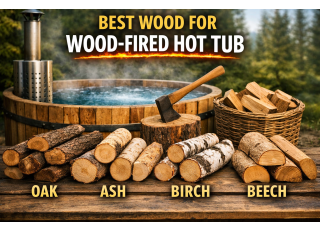
Choosing the right firewood for your wood-fired hot tub makes a huge difference in how efficiently it heats, how cleanly it burns, and how long your heater lasts. Not all wood burns the same — some produce more heat, others create more smoke or residue. Let’s look at the best options and what to avoid.
Hardwood vs Softwood: What’s the Difference?
The most important factor is density. Hardwoods are denser, burn longer, and produce steady heat. Softwoods ignite quickly but burn fast and can leave more soot.
| Type | Examples | Burn Quality | Notes |
|---|---|---|---|
| Hardwood | Oak, Ash, Birch, Beech | Long, hot, clean burn | Ideal for consistent heating |
| Softwood | Pine, Spruce, Fir | Quick, smoky burn | Good for starting the fire only |
Best Woods for Wood-Fired Hot Tubs
1. Ash
Ash is one of the best woods for hot tubs. It burns evenly, lights easily, and gives strong heat without excessive smoke. It’s also less likely to leave tar deposits inside your flue.
2. Birch
Birch burns hot and bright — perfect for quick heating. It’s slightly faster-burning than oak or ash, so mix it with denser logs for balance.
3. Oak
Oak burns slowly and produces long-lasting heat. It’s excellent for maintaining temperature once your tub is hot. Use seasoned oak (dried for at least 12 months) to avoid smoke and creosote buildup.
4. Beech
Beech burns cleanly and evenly, similar to ash. It’s great for maintaining a steady temperature and leaves minimal residue.
Woods to Avoid
Resinous Softwoods (Pine, Spruce, Fir)
These woods contain sap and resin that cause:
- Excess smoke
- Sticky soot buildup
- Tar deposits inside the flue and heater
They can also make stainless steel surfaces harder to clean.
Treated or Painted Wood
Never burn treated timber, pallets, or painted wood. They release toxic fumes and can damage your heater’s stainless steel components.
Wet or Green Wood
Unseasoned wood contains moisture that lowers heat output and increases smoke. Always use seasoned wood with moisture content below 20% or kiln dried wood for even better option.
How to Get the Best Burn
- Start with kindling: Use dry softwood or natural firelighters.
- Add hardwood gradually: Once flames are strong, add larger hardwood logs.
- Maintain airflow: Keep vents open until water reaches 37–38°C.
- Clean regularly: Remove ash after each use and brush soot from the flue weekly.
Recommended Mix
For the perfect balance:
- Start with birch or pine kindling
- Maintain heat with ash or oak logs
- Finish with beech for steady temperature
This combination gives fast ignition, efficient heating, and minimal residue.
Final Advice
The best wood for your wood-fired hot tub is kiln dried hardwood — especially ash, oak, birch, or beech. Avoid resinous softwoods and never use treated or wet wood. Good firewood means faster heating, cleaner water, and a longer-lasting stainless steel heater.
Frequently Asked Questions
What wood is best for burning in a wood-fired hot tub?
The best wood for wood-fired hot tubs is kiln dried hardwood such as ash, oak, birch, or beech. These woods burn hot, clean, and efficiently.
Can I use softwood in a wood-fired hot tub?
Softwoods like pine, spruce, and fir can be used only for starting the fire. They burn fast, produce more smoke, and leave sticky residue inside the flue.
Which wood burns hottest for heating a hot tub?
Oak and ash produce the hottest and longest-lasting burn, making them ideal for heating a wood-fired hot tub efficiently.
What wood should I avoid in a wood-fired hot tub?
Avoid resinous softwoods, wet wood, green wood, and any treated or painted timber. These can create excessive smoke, tar buildup, or release harmful chemicals.
Does the type of wood affect heating time?
Yes. Hardwoods burn longer and hotter, reducing heating time. Softwoods burn quickly and require more frequent refuelling.
Leave your comment